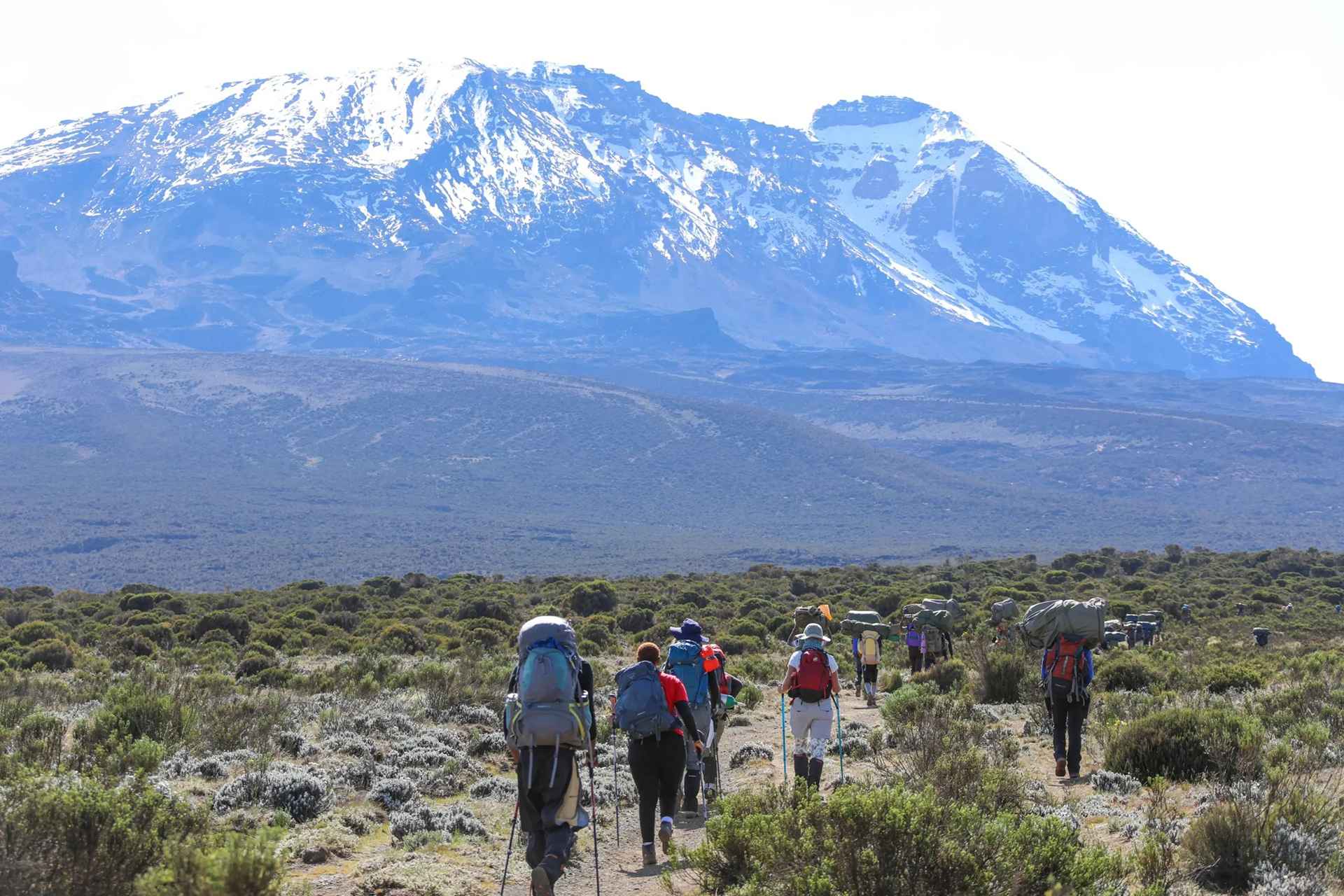
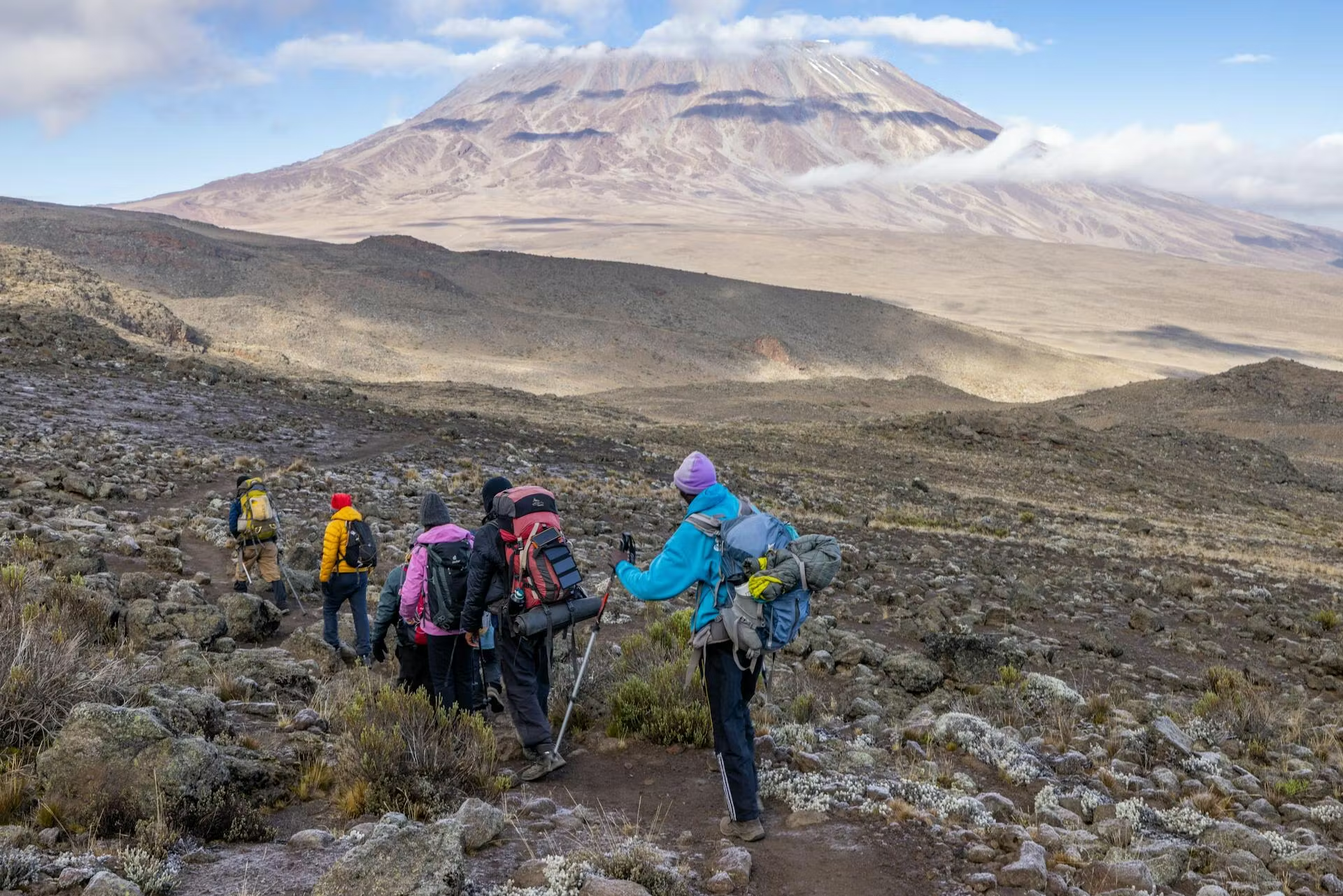
Climbing Mount Kilimanjaro is one of the world’s most unforgettable trekking adventures, but proper preparation is essential for comfort, safety, and summit success. The mountain presents dramatic changes in climate and terrain, taking climbers from tropical rainforest to alpine desert and finally to freezing summit conditions within just a few days.
At Exceptional Voyage, we help climbers prepare carefully for every stage of the journey. Having the right gear not only protects you from harsh weather conditions but also improves your energy management, comfort, and overall trekking experience.
A successful Kilimanjaro packing list focuses on practical, lightweight, and high-quality gear that supports layering, warmth, hydration, and adaptability throughout the expedition.
Why Proper Packing Matters on Kilimanjaro
Kilimanjaro weather changes rapidly as altitude increases. Warm temperatures at lower elevations can quickly turn into freezing conditions near the summit. Because of this, climbers must pack strategically to stay dry, warm, and comfortable throughout the trek.
Proper equipment also helps reduce fatigue, prevent injuries, and improve acclimatization. Packing the right essentials ensures you are physically prepared for long trekking days, cold nights, strong sun exposure, and changing terrain.
Essential Clothing Layers for Kilimanjaro
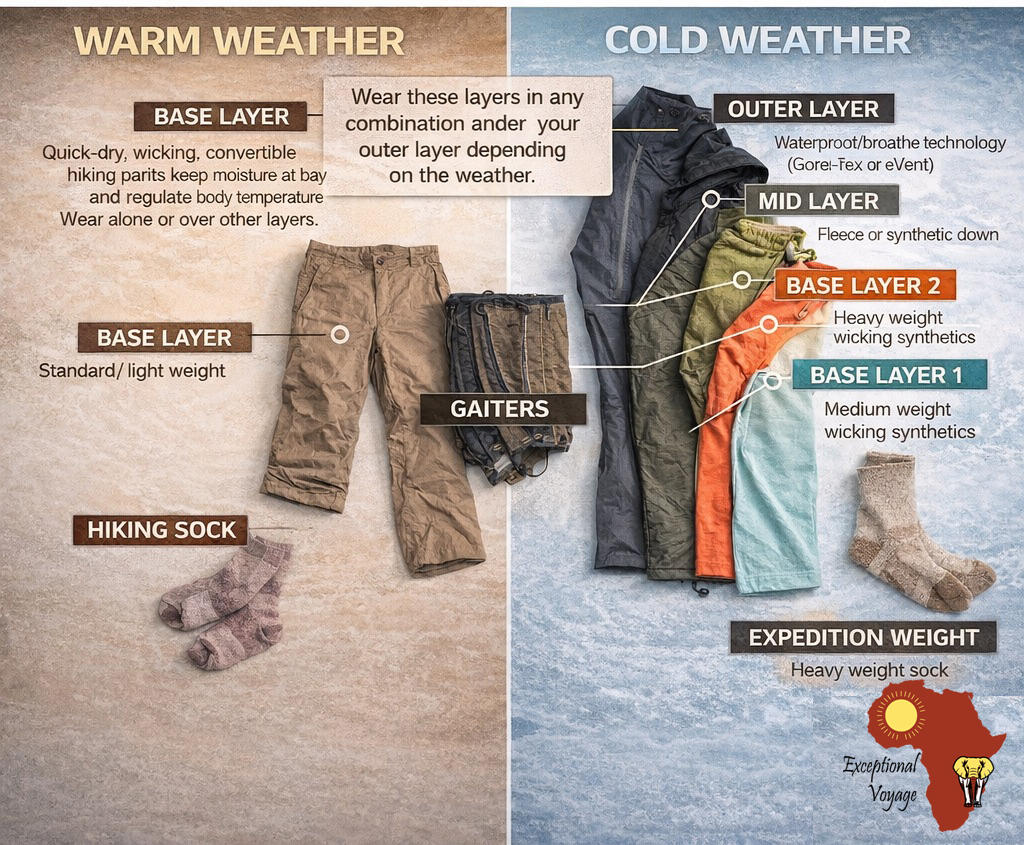
Layering is one of the most important principles when climbing Kilimanjaro. Instead of relying on one heavy outfit, climbers wear multiple layers that can easily be added or removed depending on weather conditions.
Base Layers
Base layers are worn closest to the skin and help manage sweat and body temperature. Moisture-wicking shirts and thermal leggings help keep the body dry during trekking.
Avoid cotton materials because they absorb moisture and dry slowly in cold conditions.
Insulating Layers
Insulating layers provide warmth as temperatures become colder at higher altitudes. Fleece jackets, down jackets, and thermal tops help trap body heat and maintain comfort during cold mornings and evenings.
A high-quality insulated jacket becomes especially important during summit night when temperatures can fall well below freezing.
Waterproof Outer Layers
A waterproof and windproof outer shell protects climbers from rain, snow, and strong winds. Waterproof jackets and trekking pants are essential for changing mountain weather conditions.
Good outer layers help prevent cold-related problems and keep climbers comfortable during wet or windy conditions.
Hiking Pants and Trekking Clothing
Quick-drying hiking pants are ideal for Kilimanjaro because they provide comfort and flexibility during long trekking hours. Zip-off trekking pants are especially useful because they can adapt to changing temperatures.
Long-sleeved trekking shirts also help protect against sun exposure while providing warmth in cooler conditions.
Footwear for Kilimanjaro
Footwear is one of the most important parts of your Kilimanjaro gear. Poor footwear can lead to discomfort, blisters, and injuries during the climb.
Hiking Boots
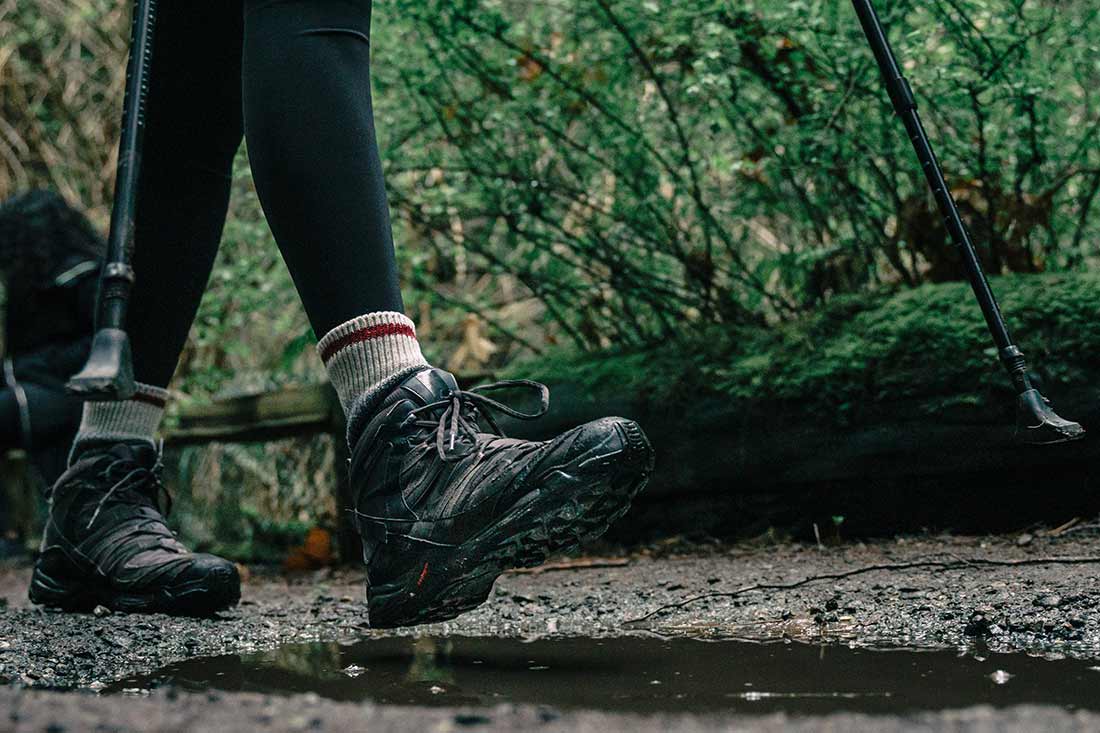
Strong, waterproof hiking boots with ankle support are highly recommended. Boots should already be broken in before the climb to avoid foot pain and blisters.
Proper hiking boots provide stability on rocky trails, muddy sections, and steep descents.
Hiking Socks
Moisture-wicking hiking socks help keep feet dry and comfortable throughout the trek. Thermal socks are also important for colder nights and summit day.
Many climbers carry multiple sock layers for added warmth and blister prevention.
Camp Shoes
Lightweight sandals or camp shoes are useful for relaxing at camp after long trekking days. They allow feet to recover while giving boots time to dry.
Headwear and Hand Protection
Protecting the head, face, and hands is essential due to strong sun exposure and freezing summit temperatures.
A wide-brim hat or cap helps protect against sunburn during daytime trekking, while a warm beanie or thermal hat is important for cold evenings and summit night.
Gloves are also essential. Lightweight gloves may be comfortable for lower elevations, while insulated waterproof gloves are necessary near the summit.
UV-protection sunglasses help protect the eyes from strong sunlight and glare, especially in snowy summit conditions.
Sleeping Gear for Kilimanjaro
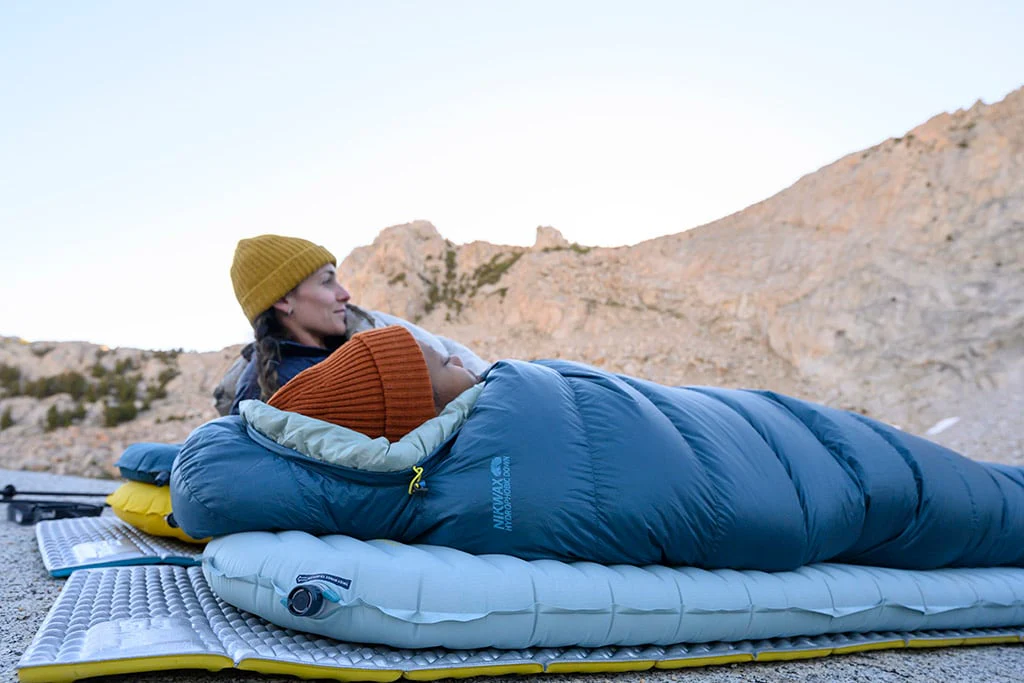
A warm and comfortable sleeping setup is extremely important for recovery on the mountain.
Sleeping Bag
A high-quality sleeping bag rated for cold temperatures is essential. Nights on Kilimanjaro can become extremely cold, particularly at higher camps.
Exceptional Voyage advises climbers to choose sleeping bags suitable for sub-zero temperatures to ensure warmth and proper rest.
Sleeping Pad
Sleeping pads provide insulation from the cold ground while improving sleeping comfort inside the tent.
Good sleep helps support energy recovery and acclimatization throughout the expedition.
Backpacks and Bags
Most Kilimanjaro climbs involve two types of bags.
Duffel Bag
A larger duffel bag is carried by porters and contains clothing, sleeping gear, and most personal items needed during the trek.
Soft-sided waterproof duffel bags are recommended because they are easier for porters to transport safely.
Daypack
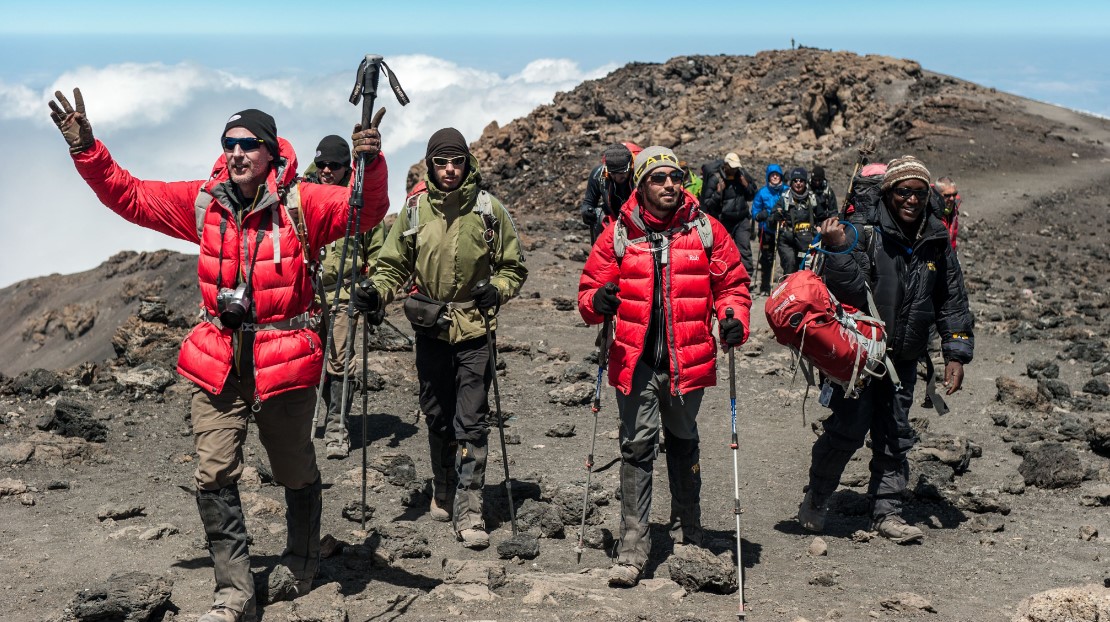
A smaller daypack is carried by the climber during daily trekking. It usually contains water, snacks, rain gear, gloves, camera equipment, and other daily essentials.
A comfortable, lightweight daypack with proper shoulder support is highly recommended.
Hydration and Water Systems
Hydration is extremely important on Kilimanjaro. Climbers are encouraged to drink 3–4 liters of water daily to reduce dehydration and altitude-related risks.
Reusable water bottles or hydration bladders are highly recommended. Insulated bottles are especially useful at higher altitudes where water may freeze during summit night.
Electrolyte tablets can also help replace minerals lost through sweating and physical exertion.
Trekking Accessories and Essential Gear
Several small accessories play an important role in making the climb safer and more comfortable.
Headlamp
A headlamp is essential for summit night and early morning trekking. Climbers should carry extra batteries because cold temperatures reduce battery performance.
Trekking Poles
Trekking poles help improve balance and reduce pressure on knees during steep descents. They are especially useful during summit descent when legs become tired.
Snacks and Energy Foods
High-energy snacks such as energy bars, nuts, trail mix, chocolate, and dried fruits help provide quick energy during long trekking days.
Personal Care Items
Important personal items include:
- Sunscreen
- Lip balm with SPF
- Wet wipes
- Hand sanitizer
- Toiletries
- Personal medications
- Small first aid items
These essentials help maintain comfort and hygiene during the expedition.
Kilimanjaro Packing List for Women
Women climbing Kilimanjaro should focus on the same essential mountain gear while also considering personal comfort and hygiene needs during the trek.
Comfortable sports bras, moisture-wicking undergarments, thermal leggings, and proper layering systems are especially important for changing temperatures on the mountain.
Women may also find the following items useful:
- Hair ties or headbands
- Feminine hygiene products
- Unscented wet wipes
- Comfortable thermal sleepwear
- Lightweight skincare products for dry conditions
- Extra thermal socks and gloves for summit night comfort
Layering remains extremely important for women climbers, especially during colder summit conditions.
At Exceptional Voyage, we encourage all climbers to prioritize comfort, warmth, and practicality over unnecessary packing.
Optional Gear for Extra Comfort
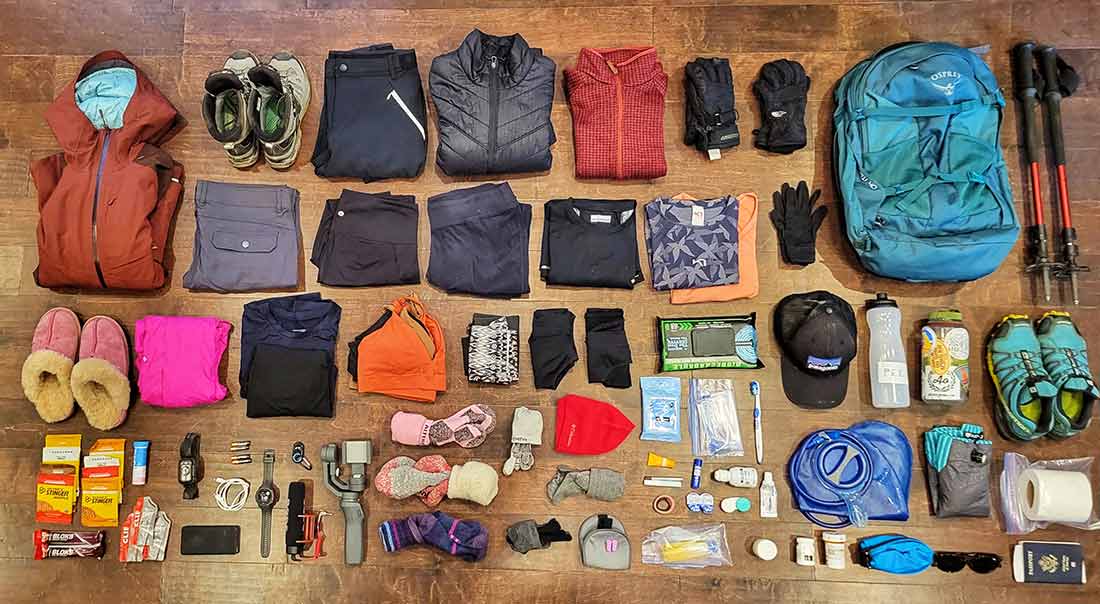
Although not mandatory, some optional items can improve the overall trekking experience.
These include:
- Camera for photography
- Portable power bank
- Travel pillow
- Earplugs
- Lightweight book or journal
- Neck gaiter or buff for dust and cold protection
Final Packing Tips for Kilimanjaro
One of the biggest mistakes climbers make is overpacking. Kilimanjaro packing should focus on quality over quantity. Lightweight, reliable, and functional gear is far more important than carrying unnecessary items.
Before your climb, Exceptional Voyage provides guidance on gear preparation, route conditions, and mountain equipment recommendations to ensure you are fully prepared for the adventure ahead.
Climb Kilimanjaro with Exceptional Voyage
At Exceptional Voyage, we help climbers prepare confidently for their Kilimanjaro expedition with expert guidance, professional mountain teams, and detailed preparation support.
From packing advice and safety recommendations to high-quality trekking experiences, we ensure every climber is fully equipped for a safe, comfortable, and unforgettable journey to Uhuru Peak.