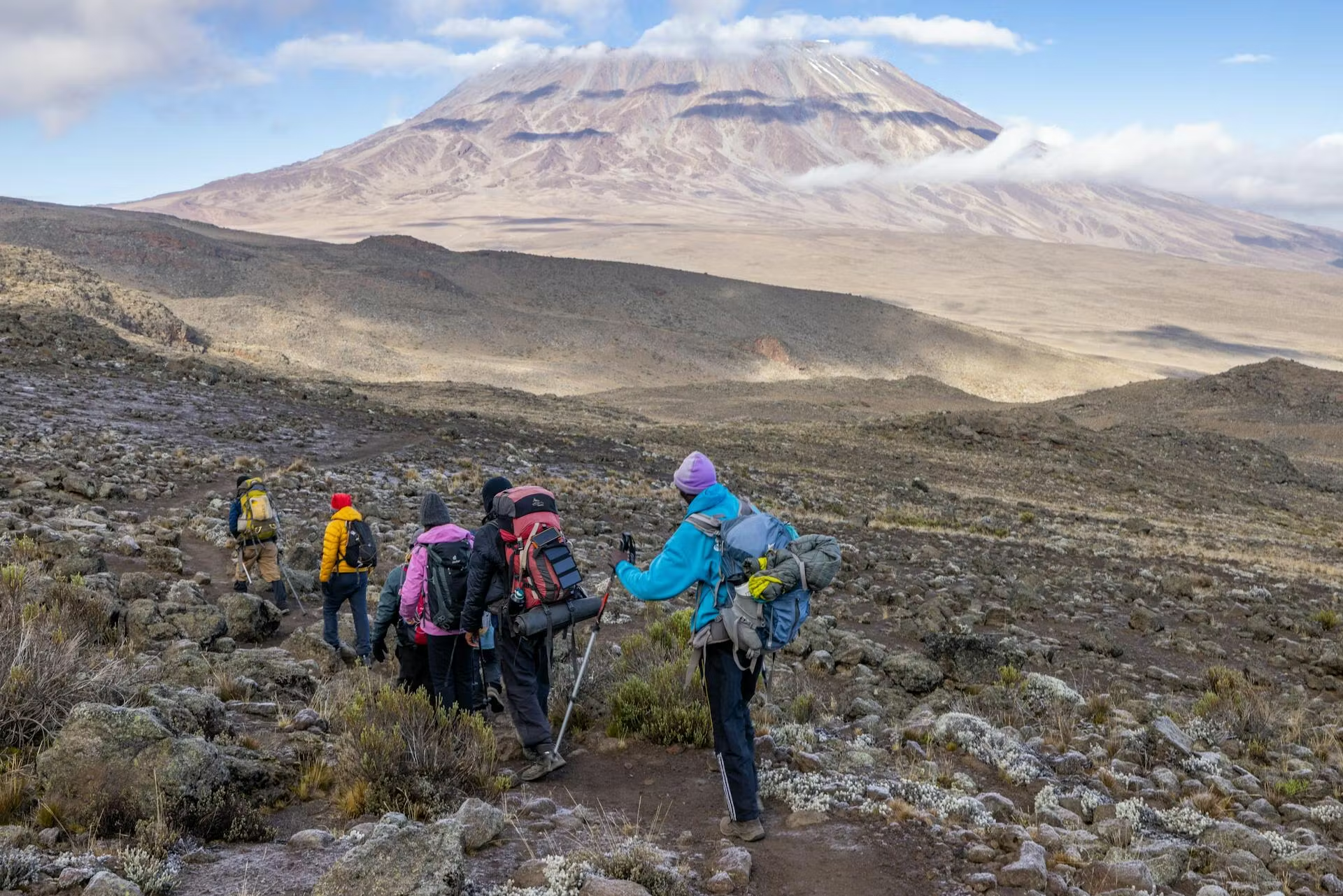
Climbing Mount Kilimanjaro is one of the most rewarding adventures in the world, attracting travelers from across the globe who dream of reaching Uhuru Peak. Although Kilimanjaro is considered a non-technical mountain that does not require mountaineering skills, it is still a high-altitude expedition that demands proper preparation, physical readiness, and careful attention to health and safety.
At Exceptional Voyage, the safety and wellbeing of our climbers is always the highest priority. Our experienced mountain guides, carefully planned itineraries, and professional safety procedures are designed to help climbers enjoy a safe, comfortable, and successful journey to the Roof of Africa.
Understanding the Challenges of Kilimanjaro
The biggest challenge on Kilimanjaro is altitude. As climbers ascend higher, oxygen levels decrease significantly, making it harder for the body to adapt. Weather conditions can also change rapidly, with climbers experiencing warm rainforest temperatures one day and freezing summit conditions the next.
Because of these changing environments, proper preparation and safety awareness are essential for a successful climb.
Importance of Physical Preparation
Although Kilimanjaro does not require technical climbing experience, good physical fitness greatly improves comfort and endurance during the trek. Climbers should prepare their bodies several weeks or months before the expedition by focusing on cardiovascular fitness, hiking practice, stamina training, and general strength exercises.

Activities such as hiking, jogging, cycling, swimming, and stair climbing help improve endurance for long trekking days on the mountain.
Mental preparation is equally important. Climbing Kilimanjaro requires patience, determination, and a positive mindset, especially during summit night when conditions become more demanding.
Altitude Sickness Awareness
Altitude sickness is one of the most important health concerns on Kilimanjaro. As altitude increases, some climbers may experience symptoms such as headaches, nausea, dizziness, fatigue, shortness of breath, or loss of appetite.
The best way to reduce the risk of altitude sickness is proper acclimatization. Exceptional Voyage recommends routes with gradual ascent profiles and sufficient acclimatization days, as this gives the body more time to adjust to reduced oxygen levels.
Our mountain guides closely monitor climbers daily for signs of altitude-related illness and make safety decisions based on each climber’s condition.
Climb Slowly and Follow the Guides
One of the most important rules on Kilimanjaro is “pole pole,” a Swahili phrase meaning “slowly slowly.” Walking at a slow and steady pace helps conserve energy and improves acclimatization.
Many climbers make the mistake of hiking too fast during the first days, which increases fatigue and altitude-related risks. Exceptional Voyage guides carefully control trekking pace to ensure climbers move safely and comfortably throughout the journey.
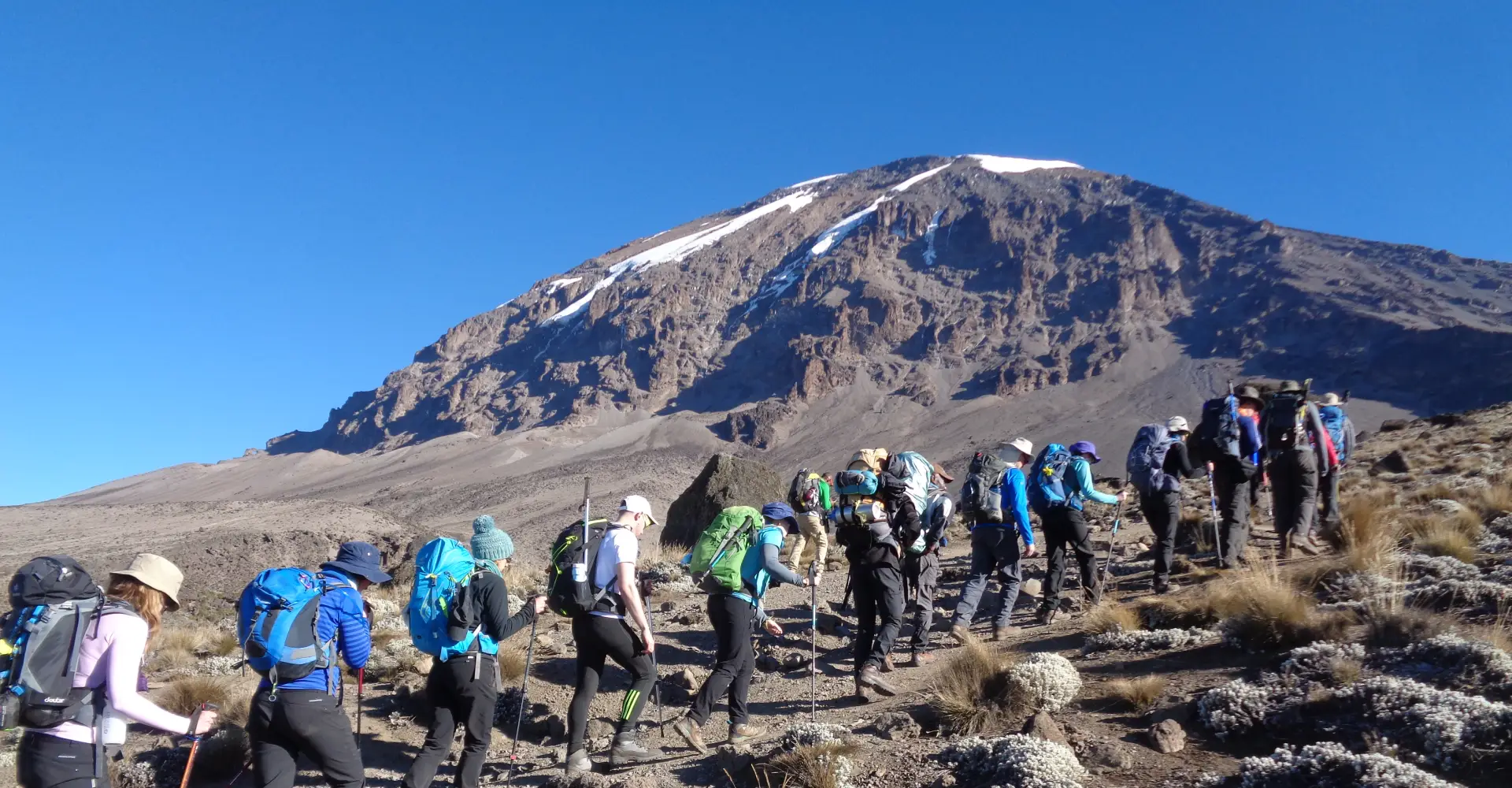
Listening to your guide’s instructions at all times is extremely important for both safety and summit success.
Staying Hydrated on the Mountain
Hydration plays a major role in preventing altitude sickness and maintaining overall health during the climb. Climbers are encouraged to drink at least 3 to 4 liters of water daily throughout the expedition.
Water provided during the climb is treated and prepared by the mountain team to ensure safety. Warm drinks such as tea, coffee, and soup also help maintain hydration while keeping the body warm in cold conditions.
Dehydration at high altitude can increase fatigue and worsen altitude symptoms, so regular water intake is essential even when you do not feel thirsty.
Proper Nutrition During the Climb
Eating well on Kilimanjaro is critical for maintaining energy levels and supporting recovery. Meals provided by Exceptional Voyage are designed to include carbohydrates, proteins, healthy fats, fruits, and vegetables to help climbers stay energized throughout the trek.
Even when appetite decreases at higher altitudes, climbers are encouraged to continue eating regularly to maintain strength and endurance.
Nutritious meals, energy snacks, and warm drinks all contribute to better performance and acclimatization on the mountain.

Dressing Properly for Mountain Conditions
Kilimanjaro’s climate changes dramatically with altitude, making layered clothing extremely important. Climbers may experience hot temperatures in the rainforest and freezing temperatures near the summit within the same expedition.
Proper mountain gear includes:
- Moisture-wicking base layers
- Insulating warm layers
- Waterproof outer jackets
- Gloves and warm hats
- Good hiking boots
- Thermal clothing for summit night
Dressing in layers allows climbers to adjust comfortably to changing temperatures during the climb.
Preventing Cold and Weather-Related Risks
Cold temperatures, wind, and rain can become serious challenges on Kilimanjaro, especially during summit night. Staying dry and warm is essential for safety and comfort.
Waterproof gear, warm sleeping bags, insulated clothing, and quality hiking boots help protect climbers from harsh weather conditions. Exceptional Voyage also ensures quality camping equipment and warm mountain meals throughout the trek.
Importance of Rest and Acclimatization
Adequate rest is important for physical recovery and altitude adaptation. Climbers should sleep well whenever possible and avoid unnecessary physical strain during acclimatization days.
Longer routes such as Lemosho and Northern Circuit are often recommended because they provide more acclimatization time and higher summit success rates.
Trying to rush the climb increases exhaustion and altitude-related risks.

Hygiene and Personal Health on the Mountain
Maintaining hygiene during the climb helps reduce illness and discomfort. Hand sanitizers, wet wipes, and proper handwashing are recommended before meals and after using camp facilities.
Climbers should also carry personal medications, blister care supplies, sunscreen, lip balm, and any necessary first aid items for personal comfort and protection.
Emergency Safety Procedures
Exceptional Voyage mountain teams are trained in mountain safety, altitude management, and emergency response procedures. Guides carry emergency oxygen, medical kits, and communication equipment throughout the expedition.
Daily health monitoring allows guides to assess climbers’ oxygen saturation and physical condition. If a climber develops serious altitude symptoms or health concerns, immediate descent becomes the safest solution.
Safety always comes before reaching the summit.
Travel Insurance and Medical Preparation
Before climbing Kilimanjaro, travelers are strongly encouraged to obtain travel insurance that covers high-altitude trekking and emergency evacuation.
It is also important to consult a healthcare professional before travel, especially for individuals with pre-existing medical conditions or concerns related to high-altitude trekking.
Climbing Kilimanjaro Safely with Exceptional Voyage
At Exceptional Voyage, climber safety is at the heart of every Kilimanjaro expedition. Our experienced guides, carefully selected routes, quality equipment, nutritious meals, and professional safety standards help ensure every climber has the best possible chance of safely reaching Uhuru Peak.
From the first day on the trail to the final summit push, we are committed to making your Kilimanjaro adventure safe, comfortable, and unforgettable.