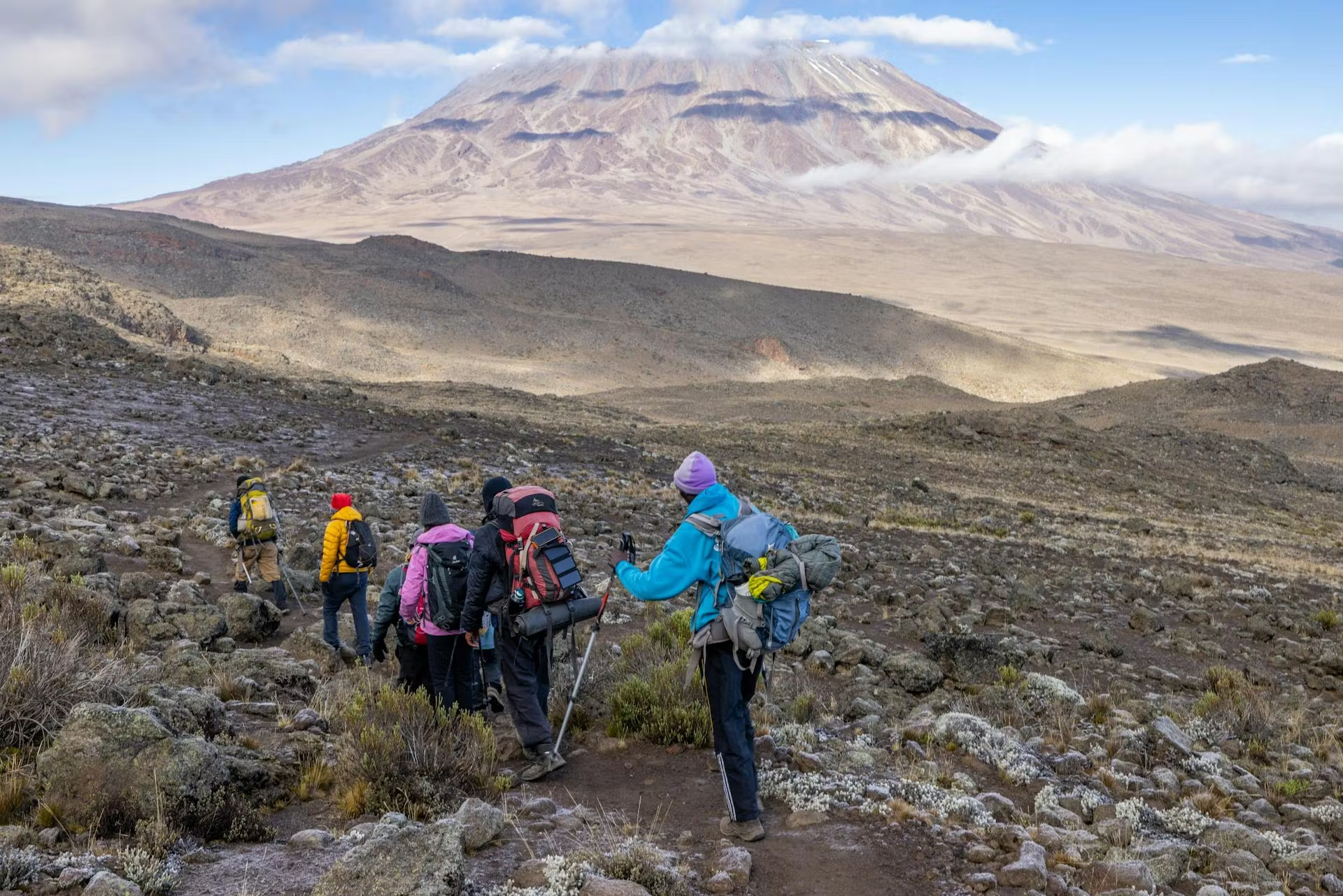
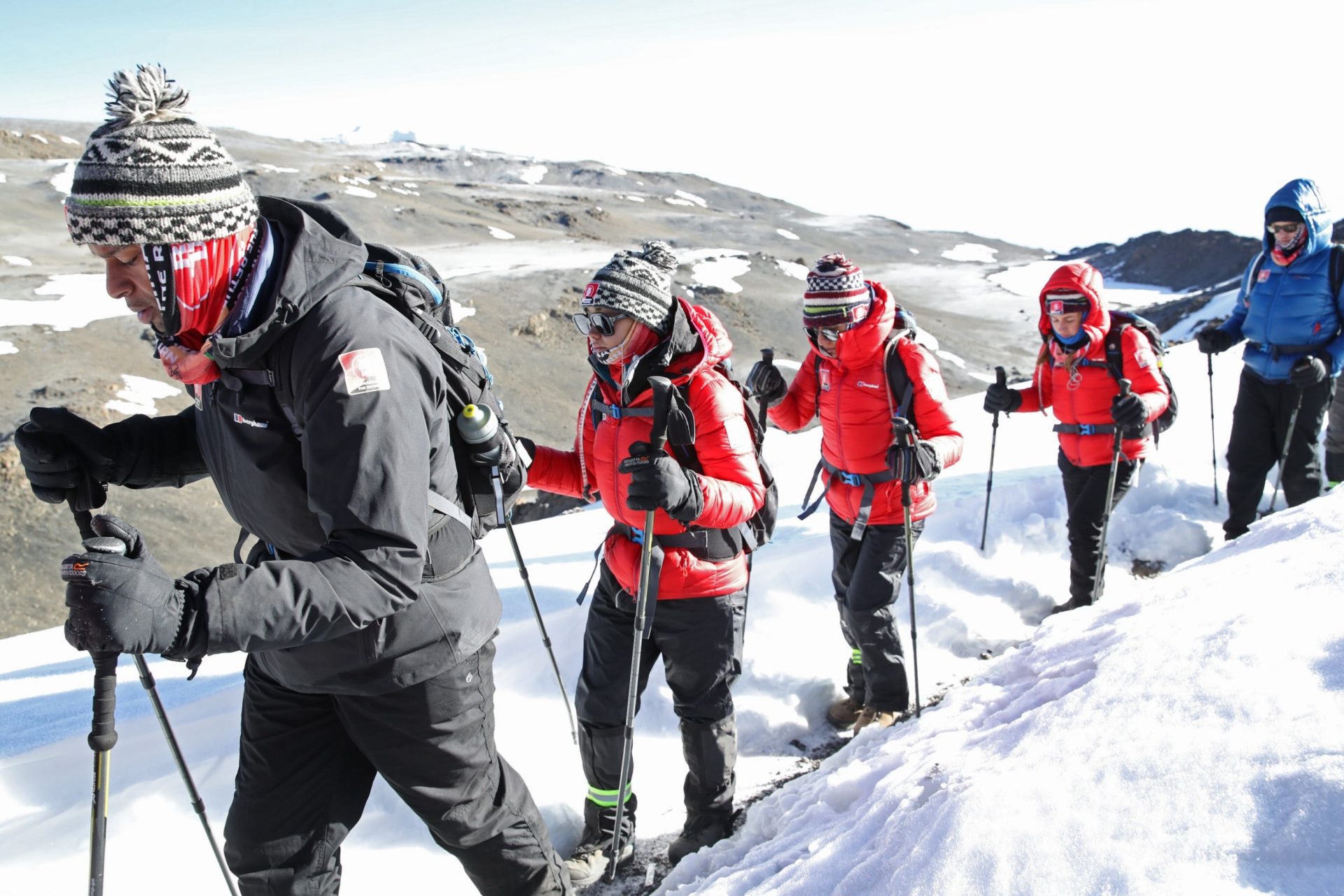
Climbing Mount Kilimanjaro is a once-in-a-lifetime adventure, but the overall cost of the expedition can vary significantly depending on several important factors. Many travelers are surprised to learn that Kilimanjaro pricing is not fixed, and two climbers can pay very different amounts depending on how their trek is organized.
At Exceptional Voyage, we believe in transparency and helping travelers understand exactly what influences the total cost of a Kilimanjaro climb. This helps you plan a realistic budget while choosing the right experience for your comfort, safety, and success.
1. Number of Days on the Mountain
One of the biggest factors affecting Kilimanjaro cost is the number of days spent on the mountain. Shorter routes are generally cheaper, while longer routes cost more due to additional park fees, guide services, food, and accommodation.
However, longer climbs often offer better acclimatization and higher summit success rates. For example, a 5-day climb may cost less but is more physically demanding, while 7 to 9-day routes are more expensive but significantly safer and more comfortable.
In most cases, the total cost increases with each additional day on the mountain.
2. Route Choice and Difficulty Level
The route you choose has a direct impact on pricing. Popular routes such as the Marangu Route, Machame Route, Lemosho Route, and Northern Circuit all differ in duration, logistics, and camping style.
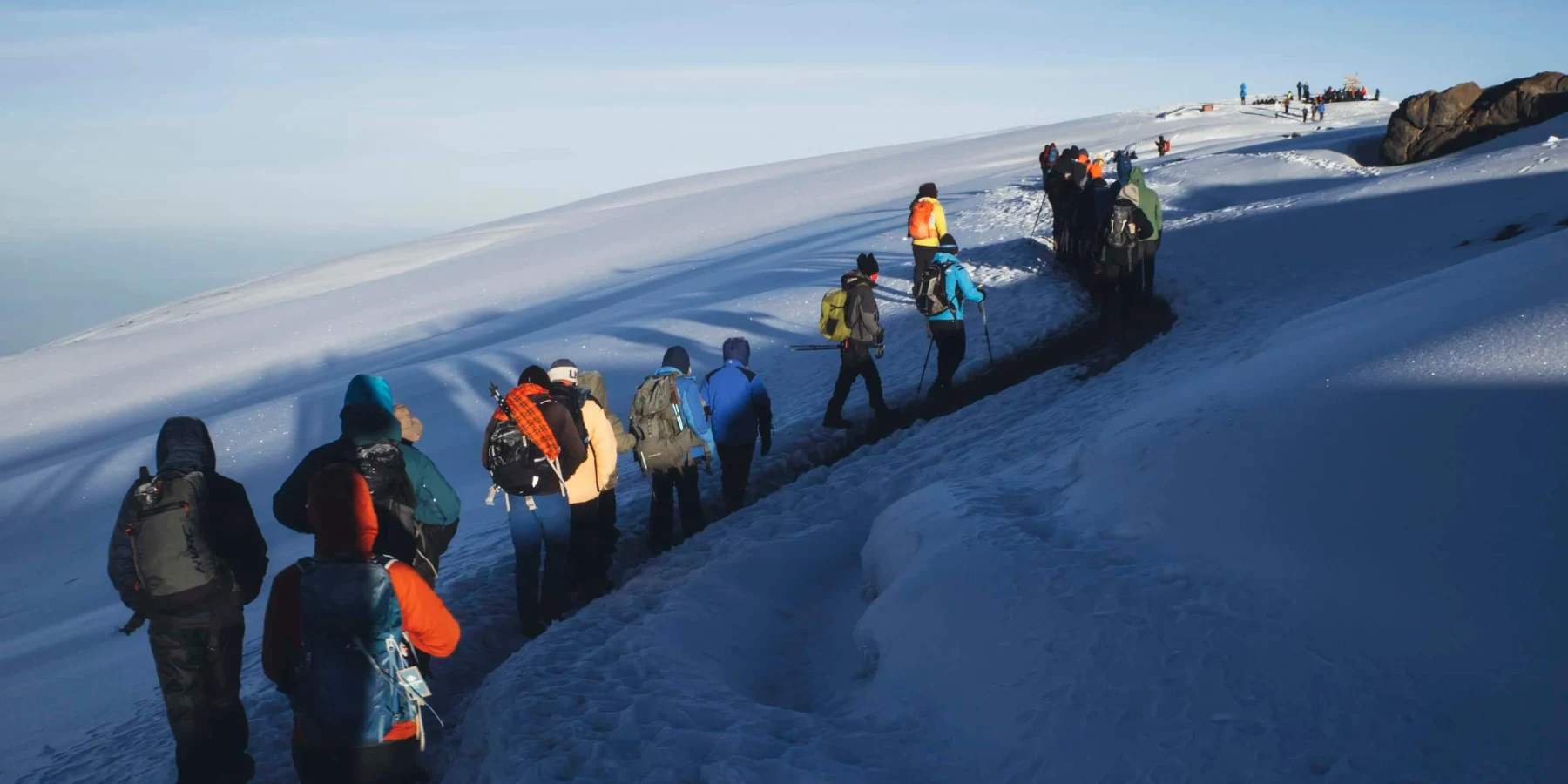
For example, the Marangu Route is often considered more budget-friendly because it uses hut accommodation instead of camping. On the other hand, longer scenic routes like Lemosho or Northern Circuit require more logistics, staff, and equipment, making them more expensive.
More remote and less-traveled routes also tend to cost more due to transportation and operational complexity.
3. Type of Accommodation on the Mountain
Accommodation style plays a major role in Kilimanjaro pricing. Climbers typically choose between standard camping, hut accommodation, or luxury climbing setups.
Camping is the most common option and is included in most trekking packages. Hut accommodation is only available on the Marangu Route. Luxury climbs, however, include upgraded tents, enhanced comfort, and additional services, which increase the overall cost.
Luxury options may include better sleeping systems, private toilet tents, improved dining setups, and additional porter support.
4. Group Climb vs Private Climb
Whether you join a group climb or book a private expedition also affects the cost significantly.
Group climbs are usually more affordable because costs such as guides, porters, and logistics are shared among climbers. This is a popular option for solo travelers or budget-conscious climbers.
Private climbs are more expensive but offer full flexibility, personalized pacing, and customized services. Many families, couples, and photographers prefer private climbs for comfort and exclusivity.
5. Number of Guides and Porters
The size of your support team is another important cost factor. Kilimanjaro climbs require a professional team including guides, assistant guides, cooks, and porters.
The number of staff depends on group size and route length. Longer and more complex climbs require more porters to carry food, tents, and equipment, which increases overall cost.
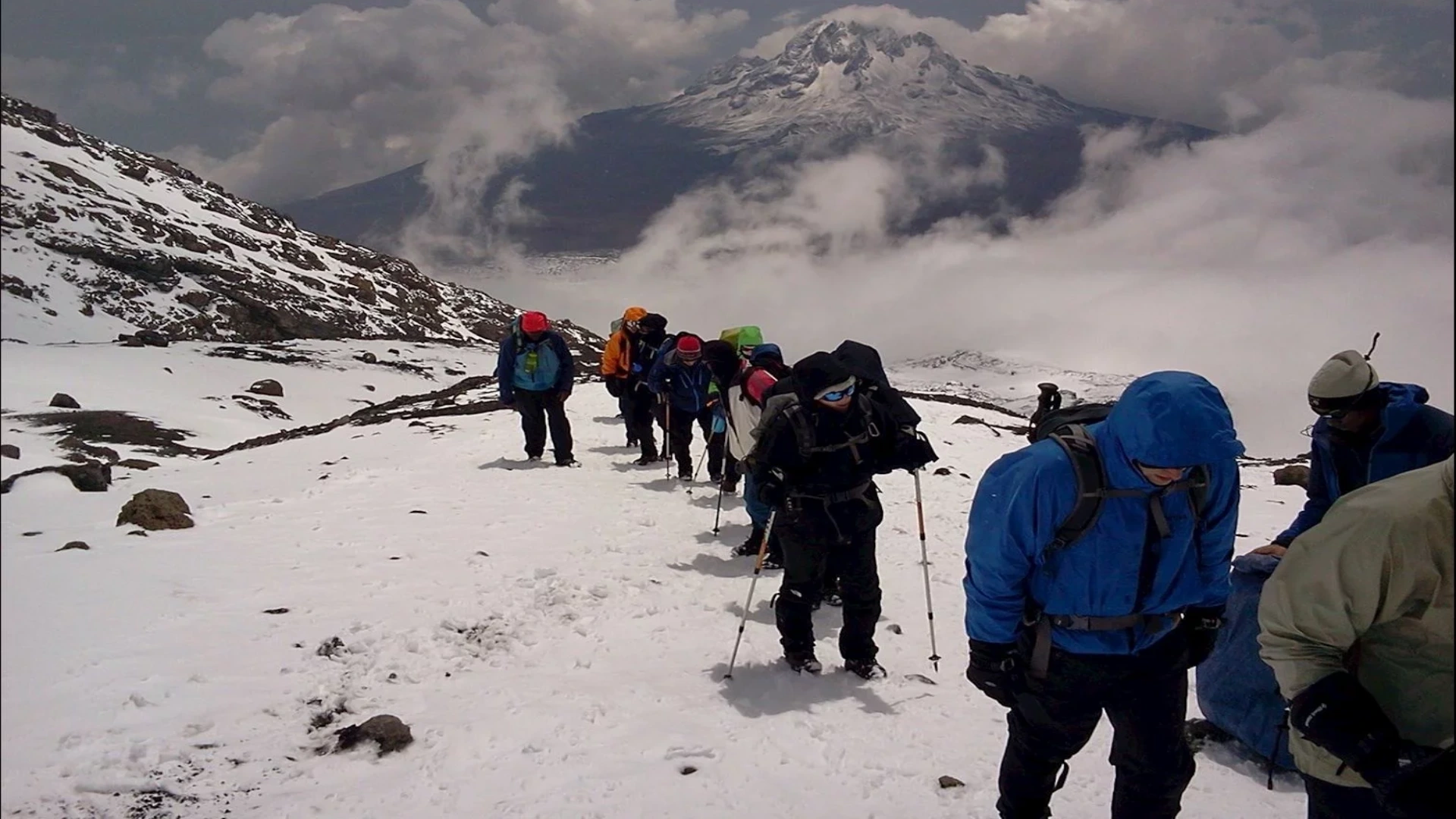
At Exceptional Voyage, we follow ethical trekking standards to ensure fair treatment and proper support for all mountain staff.
6. Park Fees and Government Charges
A significant portion of Kilimanjaro climbing cost goes to mandatory park fees set by authorities. These fees include conservation fees, camping or hut fees, rescue fees, and guide permits.
These charges are fixed and apply to all operators. Since Kilimanjaro is a protected national park, these fees help maintain conservation efforts and ensure safety infrastructure on the mountain.
Because park fees are charged per day, longer climbs naturally become more expensive.
7. Quality of Equipment and Services
The quality of camping equipment, food, and support services also affects the overall price. High-quality tents, sleeping bags, dining equipment, and cooking supplies improve comfort and safety but increase operational costs.
Cheaper climbs may reduce costs by using lower-quality equipment or limited services, but this can affect comfort and overall safety on the mountain.
Exceptional Voyage prioritizes quality equipment to ensure climbers are safe, warm, and well-supported throughout the expedition.
8. Food and Water Provision
Providing fresh, nutritious meals and safe drinking water on the mountain requires experienced cooks and proper logistics. Food costs vary depending on menu quality, dietary requirements, and number of climbers.
Balanced meals with carbohydrates, proteins, and fresh ingredients help climbers maintain energy throughout the trek. Higher-quality food services may increase the total package cost but significantly improve climbing experience and performance.
9. Season of Travel
The time of year you choose to climb Kilimanjaro can also influence pricing. Peak climbing seasons—such as January to March and June to October—are more expensive due to high demand.
During off-peak or rainy seasons, some operators may offer lower prices. However, weather conditions during these periods can be more challenging, affecting visibility and trail conditions.
Choosing the right season is therefore a balance between cost, comfort, and safety.
10. Pre- and Post-Climb Services
Additional services before and after the climb also contribute to total cost. These may include airport transfers, hotel accommodation in Moshi or Arusha, equipment rental, safari extensions, or Zanzibar beach holidays.
Many travelers combine Kilimanjaro climbs with safaris or beach vacations, which increases the overall trip budget but creates a complete Tanzania experience.
11. Travel Insurance and Personal Expenses
Travel insurance is strongly recommended for all Kilimanjaro climbers, especially policies that cover high-altitude trekking and emergency evacuation. This is an additional cost that varies depending on your provider and coverage level.
Other personal expenses include tips for guides and porters, snacks, drinks, personal gear, and souvenirs.
Final Thoughts on Kilimanjaro Costs
The cost of climbing Kilimanjaro is influenced by many interconnected factors, including route choice, duration, accommodation style, group size, and service quality. While it is possible to find budget options, investing in a well-organized and safe expedition significantly improves your chances of reaching the summit successfully.
At Exceptional Voyage, we design Kilimanjaro climbs that balance affordability, safety, and high-quality service. Whether you are looking for a budget-friendly group climb or a luxury private expedition, we ensure every climber receives professional support from start to summit.